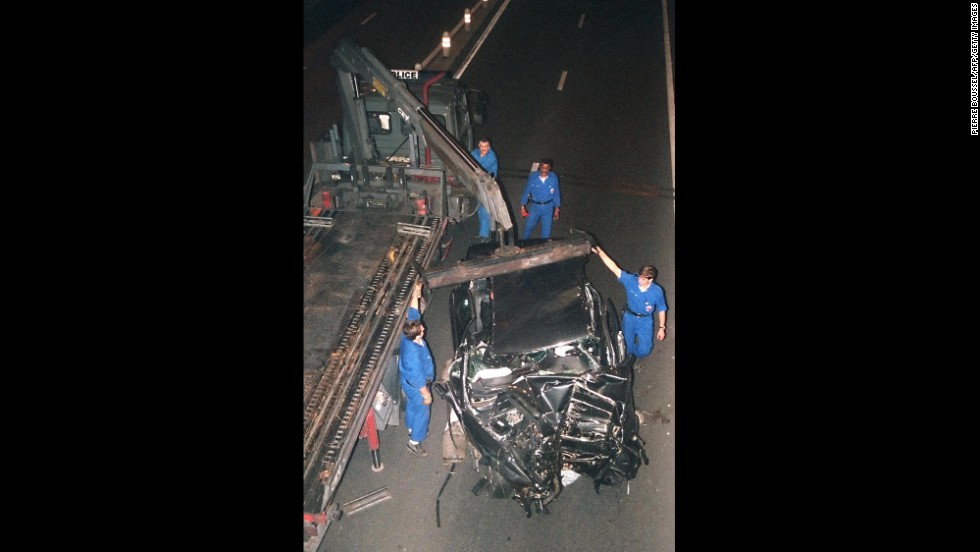
Photos of Princess Diana's car wreck are a tragic and iconic part of recent history. They serve as a reminder of the fragility of life and the intense public scrutiny that surrounded Diana's life and death.
The photos were taken in the early hours of August 31, 1997, after Diana's car crashed in the Pont de l'Alma tunnel in Paris. The crash killed Diana, her companion Dodi Fayed, and the driver of the car, Henri Paul. The paparazzi who took the photos were widely criticized for their role in the accident, as they were accused of pursuing Diana's car and causing the crash. However, the photos also played an important role in documenting the event and raising awareness of the dangers of paparazzi culture.
Today, the photos of Princess Diana's car wreck remain a powerful reminder of the tragic events of that night. They are a testament to the power of the media and the public's fascination with celebrity.
Photos of Princess Diana's Car Wreck
The photos of Princess Diana's car wreck are a powerful reminder of the tragic events of that night. They have been used to document the event, raise awareness of the dangers of paparazzi culture, and explore the public's fascination with celebrity.
- Tragic: The photos capture the tragic loss of life.
- Iconic: The photos have become iconic images of the 20th century.
- Controversial: The role of the paparazzi in the accident has been widely debated.
- Sensational: The photos were published in newspapers and magazines around the world.
- Poignant: The photos evoke a sense of sadness and loss.
- Historical: The photos are a reminder of a significant event in recent history.
- Cultural: The photos reflect the public's fascination with celebrity.
- Ethical: The photos raise questions about the ethics of the media.
The photos of Princess Diana's car wreck are a complex and multifaceted subject. They have been used to tell the story of Diana's death, to explore the dangers of paparazzi culture, and to examine the public's fascination with celebrity. The photos are a powerful reminder of the tragic events of that night, and they continue to be a source of debate and discussion today.
Tragic
The photos of Princess Diana's car wreck are a tragic reminder of the loss of life that occurred that night. Diana was a beloved figure around the world, and her death sent shockwaves through the global community. The photos of the crash serve as a stark reminder of the fragility of life and the importance of cherishing our loved ones.
- Loss of a public figure: Diana was a global icon, and her death was mourned by millions around the world. The photos of the crash brought the reality of her death home to people everywhere.
- Loss of a mother: Diana was the mother of two young boys, William and Harry. The photos of the crash are a reminder of the tragic loss that they suffered.
- Loss of a humanitarian: Diana was a tireless humanitarian who worked to help people around the world. Her death was a loss to the global community.
- Loss of a friend: Diana was a friend to many people, including celebrities, politicians, and ordinary people. Her death was a loss to all who knew her.
The photos of Princess Diana's car wreck are a tragic reminder of the loss of life that occurred that night. They are a stark reminder of the fragility of life and the importance of cherishing our loved ones.
Iconic
The photos of Princess Diana's car wreck have become iconic images of the 20th century. They are instantly recognizable and have been used in countless news stories, documentaries, and books. The photos have also been the subject of much debate and controversy.
- Historical significance: The photos are a powerful reminder of a tragic event that shocked the world. They are a reminder of the fragility of life and the importance of cherishing our loved ones.
- Cultural impact: The photos have had a profound impact on popular culture. They have been used in movies, television shows, and music videos. The photos have also been parodied and satirized.
- Ethical implications: The photos raise important ethical questions about the role of the media in public life. They also raise questions about the privacy of public figures.
The photos of Princess Diana's car wreck are a complex and multifaceted subject. They are a reminder of a tragic event, a cultural phenomenon, and an ethical quandary. The photos continue to be debated and discussed today, and they are likely to remain iconic images for many years to come.
Controversial
The photos of Princess Diana's car wreck have been the subject of much debate and controversy, particularly surrounding the role of the paparazzi in the accident. Some argue that the paparazzi were responsible for the accident, as they were pursuing Diana's car at high speeds and may have caused the driver to lose control. Others argue that the paparazzi were simply doing their job and that Diana's death was a tragic accident.
- Negligence: The paparazzi have been accused of negligence in their pursuit of Diana's car. They were driving at high speeds and may have caused the driver to lose control.
- Invasion of privacy: The paparazzi have also been accused of invading Diana's privacy. They were constantly following her and taking pictures of her, even when she was in private.
- Ethical violations: The paparazzi have been accused of violating ethical standards in their coverage of Diana's death. They sold photos of her dying moments to the highest bidder and profited from her tragedy.
The debate over the role of the paparazzi in Diana's death is a complex one with no easy answers. It is important to consider all sides of the issue before forming an opinion.
Sensational
The photos of Princess Diana's car wreck were published in newspapers and magazines around the world, becoming one of the most sensational media events of the 20th century. The photos were in high demand, and they were sold for large sums of money. The publication of the photos sparked a debate about the ethics of the media and the public's right to know.
- Public interest: The photos were published in the public interest. The public had a right to know about the tragic death of a beloved public figure.
- Invasion of privacy: The publication of the photos was also an invasion of Diana's privacy. She was a public figure, but she also had a right to privacy.
- Media ethics: The publication of the photos raised questions about the ethics of the media. Some argued that the media had a responsibility to respect Diana's privacy, even after her death.
- Sensationalism: The publication of the photos was also seen as sensationalism. The media was accused of exploiting Diana's death for profit.
The publication of the photos of Princess Diana's car wreck was a complex event with no easy answers. It raised important questions about the ethics of the media, the public's right to know, and the privacy of public figures.
Poignant
The photos of Princess Diana's car wreck are poignant and evoke a sense of sadness and loss. They are a reminder of a tragic event that took the life of a beloved public figure and left behind a grieving family and nation.
- Loss and grief: The photos capture the immediate aftermath of the crash, with emergency responders working to free Diana from the wreckage. The images are a stark reminder of the fragility of life and the suddenness with which tragedy can strike.
- Public mourning: The photos also document the public mourning that followed Diana's death. People around the world were shocked and saddened by the news, and they gathered in vigils and memorials to express their grief.
- Historical significance: The photos have become a part of history, and they continue to be used to commemorate Diana's life and legacy. They are a reminder of the impact that she had on the world, and they continue to inspire people to work for good.
The photos of Princess Diana's car wreck are a powerful reminder of the tragic loss of life that occurred that night. They are also a reminder of the public's love and admiration for Diana, and they continue to inspire people to work for good.
Historical
The photos of Princess Diana's car wreck are a historical reminder of a significant event in recent history. The accident occurred on August 31, 1997, and it resulted in the deaths of Diana, her companion Dodi Fayed, and the driver of the car, Henri Paul. The photos of the crash were published around the world, and they became iconic images of the 20th century.
The photos are a reminder of the fragility of life and the suddenness with which tragedy can strike. They are also a reminder of the public's fascination with celebrity and the media's role in shaping public opinion. The photos of Diana's car wreck have been used to document the event, to raise awareness of the dangers of paparazzi culture, and to explore the public's fascination with celebrity.
The historical significance of the photos of Princess Diana's car wreck cannot be overstated. They are a powerful reminder of a tragic event that shocked the world and changed the course of history. The photos continue to be used to educate the public about the dangers of paparazzi culture and the importance of cherishing our loved ones.
Cultural
The photos of Princess Diana's car wreck are a stark reminder of the public's fascination with celebrity. Diana was a beloved public figure, and her death sent shockwaves through the global community. The photos of the crash were published in newspapers and magazines around the world, and they were met with a mix of grief and morbid curiosity.
- The cult of celebrity: Princess Diana was one of the most famous people in the world, and her every move was followed by the paparazzi. The public was fascinated by her life, her style, and her relationships. This fascination was reflected in the way that the photos of her car wreck were consumed by the media and the public.
- The media's role: The media played a significant role in shaping the public's fascination with Princess Diana. The paparazzi were constantly following her, and they were often the first to report on her activities. The media also published countless stories about Diana's life and death, which further fueled the public's interest in her.
- The public's grief: The public's fascination with Princess Diana was also evident in the way that they mourned her death. People around the world were shocked and saddened by the news of her death, and they gathered in vigils and memorials to express their grief. The public's outpouring of grief was a testament to the deep connection that they felt with Diana.
The photos of Princess Diana's car wreck are a powerful reminder of the public's fascination with celebrity. They are also a reminder of the media's role in shaping that fascination, and the power of the public to express their grief.
Ethical
The photos of Princess Diana's car wreck have raised important questions about the ethics of the media. The paparazzi were accused of causing the accident by pursuing Diana's car at high speeds, and they were also criticized for taking photos of her as she lay dying.
- Invasion of privacy: The paparazzi invaded Diana's privacy by taking photos of her without her consent. This is a violation of ethical standards, as everyone has the right to privacy.
- Sensationalism: The media sensationalized Diana's death by publishing graphic photos of the crash. This is a violation of ethical standards, as it exploits tragedy for profit.
- Public interest: The media argued that the public had a right to know about Diana's death. However, this does not justify the invasion of her privacy or the sensationalistic coverage of her death.
- Media responsibility: The media has a responsibility to report the news in a responsible and ethical manner. This includes respecting the privacy of individuals, even public figures, and avoiding sensationalism.
The photos of Princess Diana's car wreck have forced the media to confront its ethical responsibilities. The media must find a way to balance the public's right to know with the privacy rights of individuals.
FAQs
This section addresses frequently asked questions surrounding the infamous photographs of Princess Diana's tragic car accident. It aims to provide factual information and foster a deeper understanding of the ethical and societal implications associated with these images.
Question 1: Why were the photos of Princess Diana's car wreck taken?
The photos were taken by paparazzi, freelance photographers who often pursue celebrities for exclusive and sensational images. In this instance, the paparazzi were present at the scene of the accident, capturing the aftermath of the crash.
Question 2: Were the paparazzi responsible for the accident?
There is no definitive answer to this question. While some believe the paparazzi's aggressive pursuit contributed to the driver's reckless behavior, others argue that the accident was primarily caused by the driver's intoxication and excessive speed.
Question 3: Why were the photos published?
The photos were published by news outlets worldwide due to the immense public interest surrounding Princess Diana's untimely demise. The media's decision to publish these images sparked controversy, raising questions about the ethics of profiting from tragedy.
Question 4: What were the ethical concerns surrounding the publication of the photos?
The publication of the photos raised concerns about invasion of privacy, exploitation of human suffering, and the potential harm to Diana's family and loved ones.
Question 5: What impact did the photos have on the public?
The photos had a profound impact on the public, eliciting a range of emotions, including shock, grief, and outrage. The images served as a stark reminder of the fragility of life and the relentless pursuit of celebrities by the media.
Question 6: What can we learn from the photos of Princess Diana's car wreck?
The photos serve as a valuable lesson in media ethics, the importance of respecting privacy, and the need for compassion in the face of tragedy. They remind us to question the boundaries of journalistic practices and the impact of our actions on the lives of others.
In conclusion, the photos of Princess Diana's car wreck remain a complex and controversial subject. They raise important questions about the ethics of the media, the public's right to know, and the privacy of public figures.
Transition to the next article section: These photos continue to be debated today, highlighting the ongoing need for ethical guidelines in journalism and the protection of individuals in the public eye.
Tips for handling "photos of Princess Diana car wreck"
The photos of Princess Diana's car wreck are a reminder of the tragic loss of life that occurred that night. They are also a reminder of the importance of respecting privacy and the media's responsibility to report the news in a responsible and ethical manner.
Here are five tips for handling photos of Princess Diana's car wreck:
Tip 1: Be respectful of the privacy of the victims and their families.
The photos of Princess Diana's car wreck are a graphic reminder of the tragic loss of life that occurred that night. It is important to be respectful of the privacy of the victims and their families by not sharing or posting the photos online.
Tip 2: Be mindful of the impact of the photos on others.
The photos of Princess Diana's car wreck can be disturbing and upsetting to some people. It is important to be mindful of the impact of the photos on others before sharing or posting them.
Tip 3: Consider the ethical implications of sharing the photos.
The media has a responsibility to report the news in a responsible and ethical manner. This includes respecting the privacy of individuals, even public figures, and avoiding sensationalism.
Tip 4: Seek professional help if needed.
If you are struggling to cope with the photos of Princess Diana's car wreck, it is important to seek professional help. A therapist can help you process your emotions and develop coping mechanisms.
Tip 5: Remember that Princess Diana was a human being.
It is important to remember that Princess Diana was a human being who deserves to be treated with respect. The photos of her car wreck should not be used to sensationalize her death or to profit from her tragedy.
By following these tips, you can help to ensure that the photos of Princess Diana's car wreck are handled in a respectful and ethical manner.
Summary of key takeaways or benefits:
- Respect the privacy of the victims and their families.
- Be mindful of the impact of the photos on others.
- Consider the ethical implications of sharing the photos.
- Seek professional help if needed.
- Remember that Princess Diana was a human being.
Transition to the article's conclusion:
The photos of Princess Diana's car wreck are a reminder of the tragic loss of life that occurred that night. They are also a reminder of the importance of respecting privacy and the media's responsibility to report the news in a responsible and ethical manner.
Conclusion
The photos of Princess Diana's car wreck are a stark reminder of the tragic loss of life that occurred that night. They are also a reminder of the importance of respecting privacy, the media's responsibility to report the news in a responsible and ethical manner, and the fragility of life itself.
The public's fascination with the photos of Princess Diana's car wreck is a complex and multifaceted phenomenon. It is driven by a desire to know more about the tragic event, to see behind the scenes of a major news story, and to connect with the human side of a public figure. However, it is important to remember that these photos are a reminder of a tragic event, and they should be treated with respect.
The photos of Princess Diana's car wreck have had a lasting impact on the world. They have been used to raise awareness of the dangers of paparazzi culture, to promote ethical journalism, and to remind people of the importance of cherishing life.
ncG1vNJzZmiolaS9rbGTZ5imq2NjsaqzyK2YpaeTmq6vv8%2Bamp6rXpi8rnvPoaatp6NivKd5z6ugp5uVqMBusMiapZplk5a%2FbsPRnpqkZpipuq0%3D